Designer Tricks and TipsSometimes both shades and curtains are used on windows
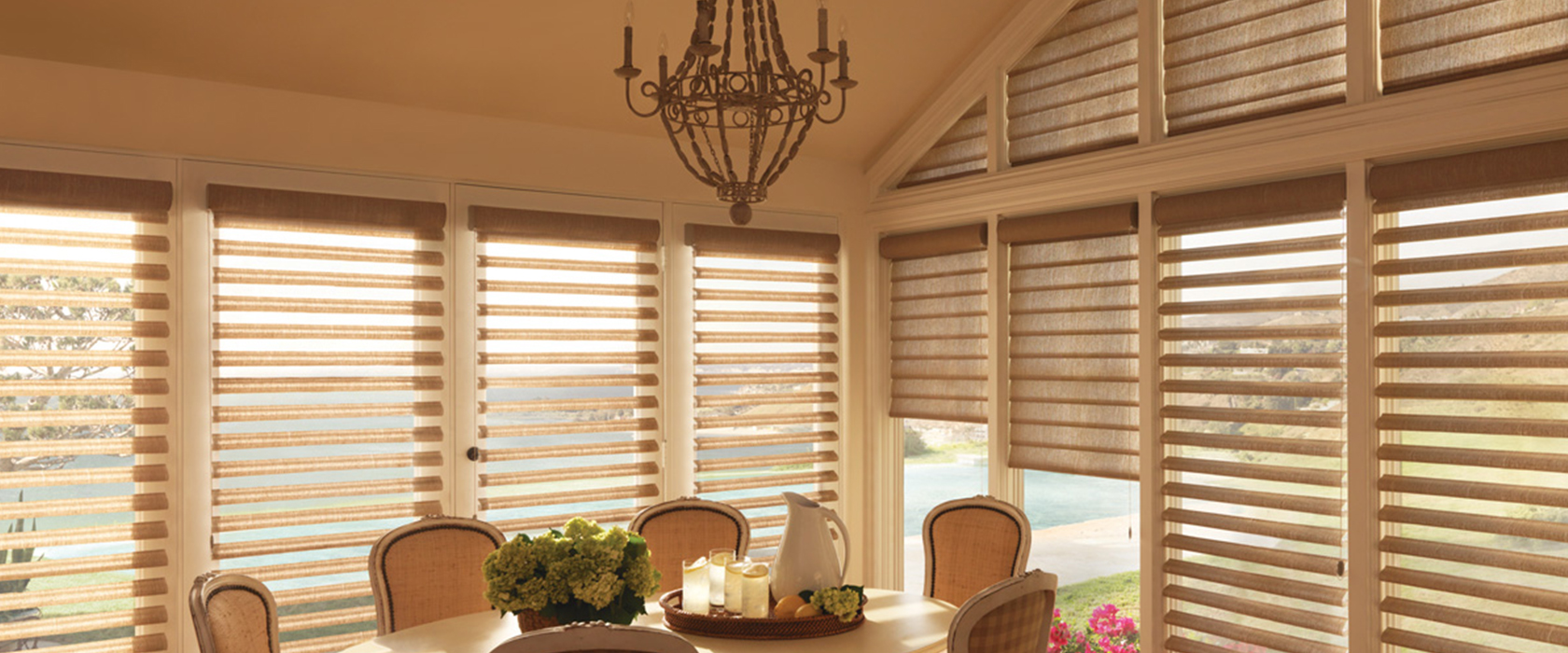
Designer Tricks & Tips for Window Treatments
The window treatments you choose should be functional and make the right decor statement. Get expert tips and ideas on dressing up your windows.
Finding the right window treatments for your room depends on design, material, and measurements. If you’re unsure where to start, try these tips.
Design
Privacy
Some of the least expensive and most popular window treatments are sheer curtains. Sheers come in many colors and are easy to find. Sheers give a room an airy feel, but, they are not the best choice for a bedroom or bathroom unless paired with blinds or shades. You can also buy sheers that are a bit too long and hang them on rods placed a few inches above your window -- let them pool on the floor for a luxe look.
Ready-made or custom?
As a rule of thumb, premade drapes and curtains cost less than custom drapes, which can run hundreds of dollars per window, depending on the cost of the fabric and the design.
Layer it
Sometimes both shades and curtains are used on windows for a textural look or to boost functionality. Don’t be afraid to try layering you can even add on in stages when your budget allows.
Design Tips
Window treatments should follow the overall design of the room. This doesn’t mean that you have to play it safe and make the curtains match perfectly, but they shouldn’t clash with the decor. Make sure the fabric reflects the other design choices in the room and that the color works with your palette. Home design websites, blogs, and magazines are an excellent source of inspiration.
Material
Light
If your bedroom gets too much sunlight and you want to tone it down for sleeping, hang heavier drapes or even blackout shades.
Fabric
Choose fade-resistant fabrics, such as cotton and cotton blends, if the room gets a lot of light. Silk and other high-end materials will often need special care and sunlight can weaken fabric. Wood and bamboo shades are popular because they’re easy to clean and are often less expensive than fancier draperies.
DIY upgrades
Ready-made curtains and even simple roller shades can be embellished and personalized using stamps or stencils or by painting designs on them. You can also add ribbon or trim to existing panels.
Recycle the old
If you have old curtains or drapes that are out of style, remake them into simple shades held in place with tension rods. If you don’t like the color or finish of existing hardware, you can paint it. And, almost anything can be used as a window covering—from a vintage apron to patterned flat sheets. Make sure to use care with creative ideas so they don’t look haphazard or poorly made.
Measuring Curtains
Sketch and measure
Start with a sketch of your windows. If you need help, snap a picture with your phone to show a Lowe’s associate. Measure each window and write the dimensions on the sketch. For more accurate measurements, measure windows from top to bottom and side to side in three places.
Hardware width
Hang the hardware 10 to 15 inches beyond the window frame on both sides to show more window when the drapes are open. For more coverage, hang the hardware 2 to 3 inches beyond the window frame to cover more window when drapes are open.
Hardware height
Flush: Hang hardware just above the window moulding.
Standard: Hang hardware 6 inches above the window moulding.
Dramatic: Hang hardware higher, even up to the ceiling.
Curtain width
Measure the width of the window, including trim.
To look full when closed, curtains should have a combined width that is twice the window width.
Standard curtain lengths
Flush: 63 inches
Floor length: 84 inches
Pools on floor: 95 inches
Measuring Blinds and Shades
Product mount
Determine the type of shade your windows need. Inside-mount shades work for windows that are recessed. If your window is not square or has no recess, choose an outside-mount shade.
Measure windows
Shades are more precise than curtains. Measure windows to the closest 1⁄8 inch. Be sure to measure the depth of the window for inside mounts. Outside-mount blinds may extend past the edges of the window, but don’t extend them beyond 2 inches on each side. Note any vents or other obstacles that might get covered.
Choose your product
Head to Lowe’s and ask an associate for help. In-stock shades and blinds can be cut to fit while you shop.